
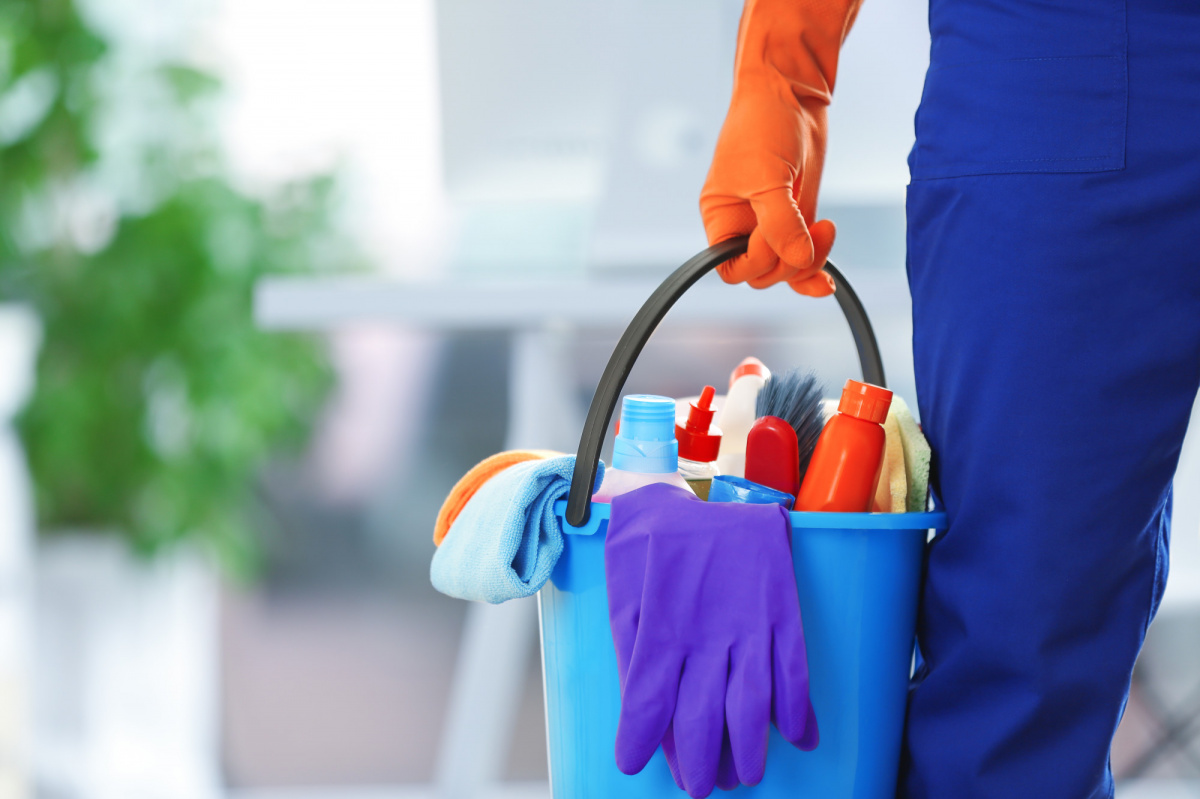
Shopping mall cleaning is not for the faint of heart. Walk into any major retail complex at dawn, before the hordes descend, and you’ll witness an army of cleaners waging war against the accumulated filth of thousands of footfalls, hundreds of spills, and the general chaos that humanity leaves in its commercial wake. This is serious business, make no mistake.
The Brutal Reality of Mall Maintenance
Listen, a shopping centre is a beast that never sleeps. While you’re home dreaming, these temples of commerce are being scrubbed, polished, and sanitised with the kind of intensity that would make a drill sergeant weep with joy. The scale is staggering. We’re talking about spaces that can span hundreds of thousands of square feet, with multiple levels, food courts that see more action than a battlefield canteen, and toilets that experience traffic that would break lesser facilities.
The cleaning crews who tackle these mammoth structures aren’t just pushing mops around. They’re orchestrating complex operations that would put military logistics to shame. Every surface demands attention. Every corner harbours potential disaster. One missed spill in the morning rush becomes a liability lawsuit by lunch. One neglected toilet becomes a public health incident by teatime.
What Makes Shopping Centre Cleaning Different
Shopping Mall cleaning services operate on an entirely different plane from your standard office cleaning. The variables are simply too numerous, too volatile. Consider this: whilst an office building might see a few hundred people daily, a decent shopping mall processes tens of thousands. Each one of them is eating, drinking, touching, dropping, and generally making a mess of things.
Here’s what separates the professionals from the pretenders:
• Round-the-clock operations
These facilities require 24-hour attention, with different cleaning protocols for operating hours versus after-hours deep cleaning
• Specialised equipment
Industrial floor scrubbers, high-capacity vacuum systems, and pressure washers that could strip paint off a battleship
• Multi-surface expertise
Marble floors, glass facades, stainless steel fixtures, carpeted areas, and food court zones all demand different approaches
• Rapid response capabilities
Spills and accidents don’t wait for convenient scheduling
• High-traffic resilience
Cleaning must happen around shoppers without disrupting their experience
The Singapore Standard
Singapore’s shopping malls set a benchmark that makes the rest of the world look positively medieval. The National Environment Agency doesn’t mess about when it comes to cleanliness standards. Shopping centres here must maintain toilets that pass regular inspections, and the authorities take environmental health seriously enough to make non-compliance genuinely painful.
The humidity alone presents challenges that would defeat lesser operations. Bacteria thrive in this climate like nowhere else. Mould sees Singapore as paradise. Without proper shopping centre cleaning protocols, these buildings would become petri dishes within weeks.
According to industry standards in Singapore, major shopping complexes typically require cleaning staff ratios of approximately one cleaner per 4,000 to 6,000 square feet during peak hours, with additional crews deployed for after-hours deep cleaning. That’s not a suggestion. That’s survival.
The Technology Revolution
Modern retail complex cleaning has embraced technology with the fervour of a convert. Automated floor scrubbers now patrol vast expanses of flooring with minimal human supervision. Electrostatic sprayers coat surfaces with disinfectant in a fraction of the time traditional methods required. UV-C sanitisation systems tackle microbial threats that conventional cleaning might miss.
But here’s the thing: technology hasn’t replaced human expertise. It’s amplified it. The best cleaning operations combine cutting-edge equipment with experienced personnel who understand that a shopping mall is a living, breathing ecosystem that changes character throughout the day.
The Economics of Cleanliness
Let’s talk money, because everything ultimately comes down to money. Poor cleaning doesn’t just create unpleasant experiences. It drives customers away in droves. Studies consistently show that cleanliness ranks among the top factors influencing where people choose to shop. A filthy food court can sink an entire complex’s reputation faster than you can say “health inspection”.
Conversely, immaculate facilities create psychological comfort. Shoppers linger longer. They spend more freely. They return more frequently. The return on investment for professional mall cleaning services isn’t just about avoiding catastrophe. It’s about creating an environment that actively generates revenue.
The Human Element
Behind every gleaming floor and spotless window stands a cleaner who showed up at an ungodly hour to do work that most people never notice until it’s not done. These workers battle against entropy itself, knowing full well that their victory lasts only until the doors open and chaos returns.
The best shopping mall cleaning operations respect this reality. They train rigorously, equip properly, and compensate fairly. They understand that you cannot deliver five-star cleanliness with minimum-wage commitment.
Moving Forward
The standards keep rising. What passed for acceptable five years ago wouldn’t make the grade today. Post-pandemic expectations have permanently elevated hygiene consciousness. Touch points get sanitised hourly now. Air quality monitoring is standard. Contactless facilities are becoming the norm rather than the exception.
Shopping complexes that fail to invest seriously in professional shopping mall cleaning aren’t just behind the curve. They’re courting disaster in an era when one viral social media post about a dirty toilet can torpedo a property’s reputation overnight.